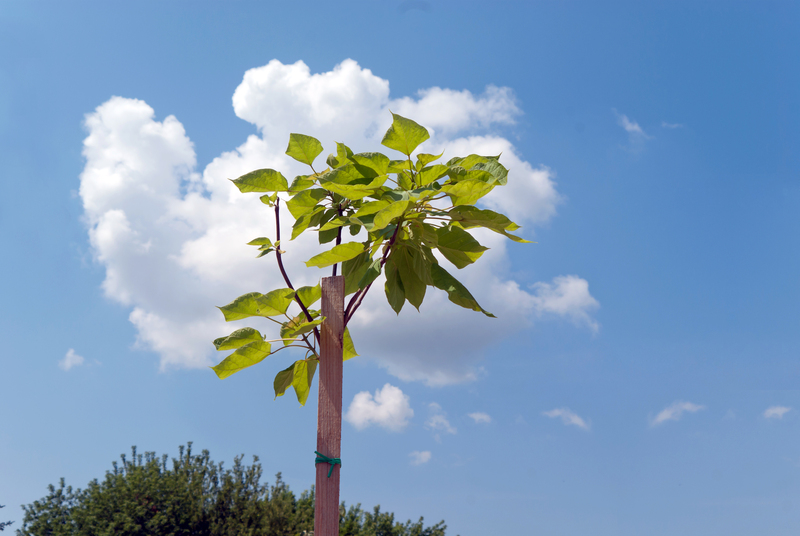
Experience Outdoor Solitude: Trendy Tall-Potted Plants for Natural Privacy
You step outside with a cup of tea, the steam curling into the cool air. A neighbour pops onto their balcony, and that quiet moment--gone. We all crave a little hush and a bit of hidden. That's where tall potted plants shine. Whether you're shielding a London terrace from street views, carving out a peaceful nook on a breezy rooftop, or softening a suburban patio, container-grown evergreens, grasses, and architectural shrubs can deliver instant privacy without the concrete or the drama. Think of it as the gentler fence. Living, breathing, and frankly--stunning.
This expert guide shows you how to Experience Outdoor Solitude: Trendy Tall-Potted Plants for Natural Privacy in ways that feel stylish, sustainable, and achievable. We'll cover plant choices, pot sizing, layouts, irrigation, UK legal bits, and the practical details you don't see on Pinterest. To be fair, it's not just about hiding. It's about creating a place where you exhale. Clean, clear, calm. That's the goal.
Table of Contents
- Why This Topic Matters
- Key Benefits
- Step-by-Step Guidance
- Expert Tips
- Common Mistakes to Avoid
- Case Study or Real-World Example
- Tools, Resources & Recommendations
- Law, Compliance or Industry Standards (UK-focused)
- Checklist
- Conclusion with CTA
- FAQ
Why This Topic Matters
Privacy has shifted from luxury to necessity. Urban density, flexible work-from-home setups, and smaller gardens mean we're closer together than ever. The World Health Organization and the UK's own wellbeing research highlight the psychological benefits of green spaces: reduced stress, improved concentration, and better sleep. The Royal Horticultural Society (RHS) frequently notes that even modest planting can improve mental health and boost biodiversity. So when you choose to Experience Outdoor Solitude: Trendy Tall-Potted Plants for Natural Privacy, you're not just hiding from view--you're designing a micro-sanctuary that does something for you, day in, day out.
Plus, let's face it: fixed fences can be expensive, restrictive, and subject to planning rules. Potted plants are modular. Moveable. A living screen you can reshape with the seasons or your mood. And unlike a stark wall, a leafy screen filters sound, cools the air, and invites pollinators. You'll hear bees on warm mornings, see grasses sway at dusk. It's subtle, but it's life-affirming.
Small human moment: a client whispered, "I just need five minutes where no one can see me." We layered three tall containers with bamboo, jasmine, and a slim laurel. The next week she sent a voice note with birdsong in the background. Her words? "This corner feels like mine now."
Key Benefits
- Instant, natural screening: Tall potted plants create privacy without waiting years for hedges or dealing with heavy hardscape.
- Flexibility: Rearrange with the seasons or events. Hosting a barbecue? Adjust your screen for the perfect party layout.
- Acoustic softening: Leaves and grasses diffuse and absorb sound. You won't cancel road noise entirely, but you'll soften the harshness. It's gentler on the mind.
- Microclimate control: Plants reduce radiant heat, increase humidity, and provide shade. In the UK's hotter spells, that's gold.
- Biodiversity boost: Flowering climbers, nectar-rich shrubs, and textured grasses support pollinators and beneficial insects.
- No planning headaches (usually): Containers are generally simpler than structural screens or tall fences. You can often avoid formal planning permission.
- Design statement: From Mediterranean columns to Japandi minimalism, tall planters set a tone. Trendy? Yes. But also timeless when done well.
- Resale appeal: A calm, private outdoor space photographs beautifully and feels premium. It's a lifestyle upgrade.
Step-by-Step Guidance
Here's a practical, field-tested roadmap to Experience Outdoor Solitude: Trendy Tall-Potted Plants for Natural Privacy that holds up in real British weather.
1) Map your privacy lines and wind paths
- Stand in the space at different times of day. Where do sightlines come from? Upper windows? Pavement level? Opposite balconies?
- Note wind (use a phone compass, or just your face). Balconies can be wind tunnels. Roofs can be downright wild.
- Mark zones: sitting, dining, pathways. You want privacy without blocking movement or sunlight you actually enjoy.
Micro-moment: It was raining hard outside that day, and the client still stepped onto the terrace with a brolly. "This is where the wind hits me," she said, pointing to the corner by the downpipe. That corner became our anchor.
2) Measure and choose containers
- Go tall and stable: 45-60 cm wide planters (18-24 inches) with depth to match. Volume of 40-75 litres minimum for shrubs; 90+ litres for small trees.
- Materials: Fibreclay, GRP, frost-proof ceramic, corten, or sustainably sourced timber. Lightweight but sturdy for balconies.
- Weight awareness: On balconies, calculate approximate load: planter + soil + saturated water + plant + ballast if required. Stability first.
- Drainage: Large drainage holes, feet or risers under pots, and saucers only where necessary to protect surfaces.
3) Build a resilient growing medium
Use a peat-free mix that drains fast yet holds moisture:
- 60% quality peat-free compost
- 20% horticultural grit or pumice
- 10% fine bark
- 10% loam-based compost (John Innes No. 3 equivalent)
- Extras: Slow-release fertiliser, a handful of biochar for structure, and a layer of chunky gravel or crocks at the base to protect drainage holes
Truth be told, the soil recipe can make or break it. Cheap compost collapses. Plants sulk. Don't skimp here.
4) Pick the right plants for your privacy style
For strong, fast, and fashionable screening, consider these container-friendly tall plants:
- Clumping Bamboo (Fargesia spp.) -- Non-invasive, elegant, and excellent for movement and sound softening. Fargesia robusta 'Campbell', F. rufa, F. 'Jiuzhaigou' are favourites. Height in pots: 2-3 m.
- Photinia x fraseri 'Red Robin' (pleached or multi-stem) -- Red flushes, evergreen, clips well. 2-3 m in containers with good care.
- Bay Laurel (Laurus nobilis) -- Edible leaves, beautifully architectural when trained into columns. 2-2.5 m in a large pot.
- Pittosporum tenuifolium -- 'Silver Queen' or 'Golf Ball' (for lower tiers). Fast, airy, evergreen. 2-2.5 m.
- Portuguese Laurel (Prunus lusitanica) -- Denser than photinia, refined in containers with annual root prune. 2-3 m.
- Olive (Olea europaea) -- Architectural grey-green foliage. 2.5-3 m; better in sunnier, sheltered UK spots.
- Grasses -- Miscanthus sinensis, Calamagrostis x acutiflora 'Karl Foerster' (narrow, upright), Panicum virgatum 'Northwind'. Heights: 1.5-2 m with plume drama.
- Star Jasmine (Trachelospermum jasminoides) on trellis -- Evergreen, scented summer flowers. 2-3 m on a slim frame.
- Taxus baccata or Thuja 'Smaragd' -- Formal columns, slower growth, tight habit. 1.8-2.5 m.
- Cordyline australis -- Spiky silhouette, coastal vibe. 2-3 m, but mind severe frost snaps in colder areas.
- Hydrangea paniculata 'Limelight' and kin -- Summer screening with huge cones; winter stems still textured. 1.8-2.2 m.
Pairing note: For layered privacy, combine a backbone evergreen (e.g., Portuguese laurel) with motion (grasses) and a fragrant climber (jasmine). It's like sound and scent insulation. You'll feel it.
5) Planting technique that lasts
- Pre-soak rootballs, especially bamboo and evergreens.
- Set height so the plant sits 2-3 cm below the pot rim for watering space.
- Backfill with your mix, firming gently to remove air pockets.
- Stake tall or top-heavy plants; use soft ties and avoid strangling stems.
- Water deeply until water runs freely from drainage holes, then mulch 3-5 cm with bark or pebbles.
6) Irrigation and maintenance
- Summer watering: 5-10 litres per large pot per week in typical UK summer; 10-15 L during heatwaves. Use a moisture meter or finger test.
- Automate: Drip lines on a timer with pressure-reducing valves. Saves time and plants.
- Feeding: Slow-release in spring + monthly liquid feed May-August for hungry species (photinia, bamboo).
- Pruning: Light clip after main flush. For grasses, cut back late winter; for jasmine, tidy after flowering.
- Winter care: Raise pots on feet, avoid waterlogging, fleece tender plants if severe frost is forecast. Group pots for wind protection.
7) Design layouts for different spaces
Six practical layouts to Experience Outdoor Solitude: Trendy Tall-Potted Plants for Natural Privacy in real gardens and balconies:
- Japandi Screen -- 3 tall, matte charcoal planters with Fargesia bamboo; underplant with Ophiopogon and white stones. Calm. Minimal. Whisper-quiet.
- Mediterranean Alley -- Alternating olives and bay columns in terracotta-finish GRP planters; thyme spilling over edges; jasmine on a slim trellis between.
- Jungle Nook -- Cordyline for height, pittosporum for soft evergreen mass, hydrangea for summer bulk; bark mulch and a simple bench tucked in.
- Edible Screen -- Bay, rosemary standards, and tall blueberries (ericaceous compost) with seasonal climbers like runner beans for playful blooms.
- Alpine Modern -- Narrow calamagrostis, dwarf conifers, and upright juniper in light grey planters. Looks crisp year-round.
- Mixed Evergreen Wall -- Pleached photinia in troughs backed by jasmine; underplant with carex. A living wall vibe without the tech.
And a tiny aside: when the evening breeze brushes through tall grasses, there's a gentle shush-shush that feels like a lullaby. You'll notice.
Expert Tips
- Choose clumping bamboo over running types to avoid invasive spread. Fargesia is your friend; Phyllostachys can be a headache in open ground.
- Anchor the windward corner with your heaviest, most wind-tolerant container. Everything else benefits from its shelter.
- Layer heights: 70% tall evergreens, 20% seasonal impact (grasses/hydrangeas), 10% trailing softeners.
- Use a thriller-filler-spiller mindset for each pot: the tall structural plant (thriller), mid-layer (filler), and edge softener (spiller).
- Acoustic layering: mix leaf sizes. Broad leaves + fine grasses scatter sound frequencies more effectively.
- Scent strategy: Star jasmine and sweet box near seating. Not by the bin or the barbecue--smoke steals the show.
- Night lighting: Warm 2700K uplights grazing foliage create depth without blasting neighbours. Subtle is classy.
- Soil refresh: Top-dress each spring, and root-prune or repot every 2-3 years. Containers get tired; plants tell you with slower growth.
- Holiday-proof with drip irrigation and mulch. A neighbour can top up the reservoir once a week. Easy, done.
- Safety first: Soft ties, rounded stakes, and tucked cables. A tidy terrace is a safer terrace.
Yeah, we've all been there--watering at 10 pm with a torch because you forgot. Automate. Future-you will thank you.
Common Mistakes to Avoid
- Undersized pots: The number one fail. If your shrub's pot is smaller than a small dog's bed, it's probably too small.
- Waterlogging: No drainage = root rot. Always add feet and test run-off.
- Ignoring wind: Tall plants become sails. Stake, weight, and shelter the first line.
- Too many species: Visual clutter kills calm. 3-5 species repeated looks curated and intentional.
- Wrong plant for light levels: Jasmine will sulk in deep shade; photinia struggles in dense shade too. Match plant to aspect.
- No feeding plan: Containers don't have infinite nutrients. Feeds matter, especially mid-summer.
- Forgetting neighbours and rules: That 3 m bamboo may cause complaints if it overhangs or blocks light aggressively.
It's kinda wild how often the simple stuff wins: big pots, good compost, consistent water. That's 80% of success, right there.
Case Study or Real-World Example
Zone 2 London Balcony: From Goldfish Bowl to Green Cocoon
Brief: A 5 m x 1.5 m balcony, ninth floor, with direct views from opposite flats. Windy, south-west facing. The client, an NHS physiotherapist, needed privacy for dawn coffee and post-shift decompressing. Budget: mid-range. Style: clean, modern, low maintenance.
Plan:
- Three 100 cm long x 40 cm wide fibreglass troughs along the rail, each planted with Fargesia robusta 'Campbell' (clumping bamboo) and underplanted with Carex oshimensis 'Evergold'.
- Two 50 cm square planters with Photinia 'Red Robin' trained on slim trellises as a background layer.
- One 60 cm tall cylinder with Trachelospermum jasminoides, trellised near the seating zone for scent.
- Drip irrigation on a Wi-Fi timer; 20 mm pot feet; lightweight decorative gravel as mulch.
Result: 80-90% visual screening when seated, 60% when standing (by design, to keep a sense of sky). The wind dropped noticeably behind the bamboo line. The client's text a month later: "It feels like a little rooftop garden--my own. The jasmine at night is ridiculous (in a good way)."
Two months on, there was a heatwave. Plants held. She did nothing but top the reservoir once. That's the power of a smart system that's been thought through.
Tools, Resources & Recommendations
Essential tools
- Moisture meter (simple probe)
- Bypass secateurs and soft plant ties
- Hand trowel and narrow transplanting spade
- Long-handled watering can with fine rose
- Hose with adjustable spray head (where permitted)
- Planter trolleys/dollies for moving heavy pots
- Fleece and jute for winter protection
- Risers/pot feet, saucers (only if needed)
- Drip irrigation kit with timer
Recommended materials
- Peat-free compost blends (RHS-endorsed where possible)
- Horticultural grit/pumice for drainage
- Biochar or composted bark for structure
- Slow-release fertiliser (balanced NPK)
- Quality GRP or fibreclay planters; FSC/PEFC-certified timber if wood
- Non-marking plant feet and balcony-safe trays
Plant choices at a glance
- Best for instant height: Fargesia bamboo, calamagrostis 'Karl Foerster'
- Best evergreen density: Portuguese laurel, photinia, taxus
- Best for scent: Star jasmine, sweet box (Sarcococca), wintersweet (Chimonanthus)
- Best for narrow spaces: Pleached photinia or yew in troughs; slim trellis with jasmine
Law, Compliance or Industry Standards (UK-focused)
- High Hedges (Anti-social Behaviour Act 2003, Part 8): Complaints can be made if evergreen screens exceed ~2 m and adversely affect neighbours. Even in pots, be considerate about height and light.
- Balcony load limits: Typical residential balconies are designed around 1.5-4.0 kN/m?. Always check your building's O&M manual or consult a structural engineer if in doubt. Wet compost is heavy.
- Leasehold/Freehold covenants: Many flats restrict fixing items to railings, visible clutter, or irrigation runoff. Get written approval where required.
- Wildlife and Countryside Act 1981: It's an offence to allow certain invasive plants (e.g., Japanese knotweed) to spread in the wild. Choose non-invasive species; dispose of plant waste responsibly.
- Pesticide rules: Follow UK HSE guidance; always read the label. Consider integrated pest management first (manual removal, biological controls).
- Water use restrictions: During hosepipe bans, drip irrigation systems may have exemptions depending on the water company. Check local rules.
- Rights to Light: While plants are flexible, repeated obstruction can raise disputes. Keep channels of dialogue open with neighbours.
- Building Regulations considerations: Keep escape routes clear; avoid blocking vents or services. Use outdoor-rated electrics (IP-rated fittings) for lighting/irrigation.
- Plant toxicity: If you have pets or children, research toxicity (oleander, yew, and others can be harmful). Choose safer alternatives where needed.
Quick British reality check: sometimes it's not the law--it's the neighbours. A friendly chat goes a long way.
Checklist
- Define views to block and wind direction
- Measure space, confirm balcony loads if applicable
- Select 45-60 cm wide frost-proof containers with drainage
- Mix a peat-free, free-draining compost; add slow-release feed
- Choose 3-5 core plant species; repeat them for harmony
- Install drip irrigation and pot feet
- Stake tall plants; secure trellises
- Mulch and set a seasonal care calendar
- Review UK compliance and neighbour considerations
- Enjoy a test sit at different times of day; adjust layout
Conclusion with CTA
Creating privacy with tall planters isn't about hiding from the world. It's about inviting in the right parts of it: birdsong, dappled light, gentle movement. When you Experience Outdoor Solitude: Trendy Tall-Potted Plants for Natural Privacy, you're building a soft boundary that protects your calm without hardening your space. Start with good pots, the right plants, and a simple watering plan. The rest--the quiet moments, the deep breaths--comes naturally.
Get a free quote today and see how much you can save.
And if today's been a lot, that's alright. Step outside later, even for a minute. Let the leaves do their thing. You'll feel it.
FAQ
What are the best tall potted plants for privacy in the UK?
Top performers include clumping bamboo (Fargesia), photinia 'Red Robin', Portuguese laurel, bay laurel, star jasmine on trellis, calamagrostis 'Karl Foerster', and taxus or thuja columns. They balance height, density, and container tolerance.
Can I use bamboo without it taking over?
Yes--choose clumping Fargesia varieties in containers. Avoid running types (e.g., many Phyllostachys) in the ground unless you have proper rhizome barriers. In pots, Fargesia is elegant, contained, and very effective.
How many pots do I need to build a privacy screen?
For seating privacy over 3-4 metres, plan for 3-5 large containers spaced 60-90 cm apart, depending on plant width. Denser plants like Portuguese laurel need fewer pots; airier grasses need more.
What's the best soil mix for tall potted privacy plants?
A peat-free blend with structure: roughly 60% peat-free compost, 20% grit/pumice, 10% fine bark, and 10% loam-based compost. Add slow-release fertiliser and biochar for resilience.
How often should I water tall planters?
Typically 1-2 times per week in spring/summer, delivering 5-10 L per large pot weekly; more during heatwaves. Use a moisture meter, mulch, and consider a drip system to avoid guesswork.
Will tall potted plants survive winter on a balcony?
Yes, if you choose hardy species, raise pots on feet for drainage, avoid waterlogged compost, and fleece tender plants during severe cold snaps. Grouping pots reduces wind exposure and heat loss.
What's a good alternative to bamboo for privacy?
Photinia 'Red Robin' (pleached or freestanding), Portuguese laurel, star jasmine on trellis, taxus columns, and calamagrostis grasses offer excellent screening with different textures and styles.
Does planting for privacy reduce noise?
Plants don't fully soundproof, but dense evergreens and a mix of leaf textures can noticeably soften harsh, reflective noise. Grasses add masking with gentle rustle. It's a real, felt difference.
Are there legal limits on height for potted privacy plants in the UK?
There's no universal cap, but evergreen screens over 2 m may be challenged under High Hedges rules if they cause a significant nuisance. Be considerate and talk to neighbours; adjust heights if needed.
Is it safe to load heavy planters on my balcony?
Check your building's load specifications (often 1.5-4.0 kN/m?). Distribute weight evenly, avoid clustering at the edge, and factor in the weight of saturated soil. When in doubt, consult a structural engineer.
How fast will my privacy screen establish?
With quality plants, large pots, and proper care, you'll see meaningful privacy within 1-3 months and a mature look in 1-2 growing seasons. Bamboo and photinia are notably quick; yew is slower but refined.
Can I move my tall planters if I relocate?
Yes. Use lightweight GRP or fibreclay, dolly trolleys, and plan root pruning 6-12 months before moving if plants are very established. That way, they transplant cleaner and with less shock.
How can I truly Experience Outdoor Solitude: Trendy Tall-Potted Plants for Natural Privacy on a tight budget?
Prioritise fewer, larger planters with strong performers (Fargesia bamboo, photinia) and add inexpensive fillers like carex or ivy. DIY drip kits and peat-free compost bulk bags save money without sacrificing results.
Which plants are pet-safe for privacy?
Consider bamboo (Fargesia), rosemary, thyme, many grasses, and some hydrangea varieties (still supervise). Avoid oleander, yew, and certain euphorbias. Check the Royal Horticultural Society plant toxicity lists for specifics.
Do tall potted plants damage decking or membranes?
They can if water pools. Use pot feet for airflow, saucers only if needed, and protect surfaces with non-marking pads. Ensure drainage doesn't flow onto neighbours' balconies.
What if my space is full shade?
Try hardy options like Fargesia (many tolerate part-shade), Sarcococca (lower but fragrant), and Aucuba japonica. For climbers, evergreen ivy (controlled on a trellis) can be effective in shade.
Will star jasmine work in a windy spot?
It prefers shelter. In windy sites, train it on a sturdy trellis and give it a windbreak from a denser plant (like laurel or bamboo). Once established, it copes better and still gives that heavenly scent.
How do I keep tall planters from toppling?
Use wide, weighted bases, add internal ballast (gravel bags at the bottom), stake plants, and position the heaviest pots windward. Avoid "tippy" narrow columns on exposed balconies.
What's the most low-maintenance privacy combo?
Fargesia bamboo in large troughs with drip irrigation and a bark mulch top. Add calamagrostis for structure. A twice-yearly tidy and you're set.
One last thought: privacy isn't about hiding who you are. It's about giving yourself the space to be it. Even if it's just a chair, a mug, and a line of rustling green.