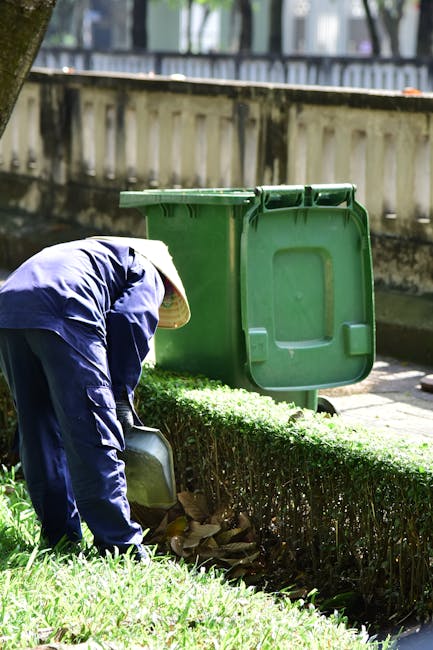
Hounslow Council Garden Waste Rules What Gardeners Must Know
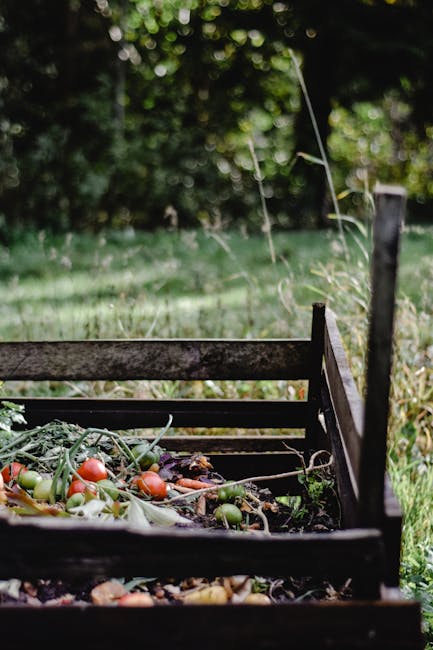
If you garden in Hounslow, sooner or later you run into the same awkward question: what exactly should you do with all the cuttings, clippings, branches, soil, and old plants once the job is done? The Hounslow Council garden waste rules matter because getting disposal wrong can waste time, create mess, and in some cases lead to rejected collections or unnecessary extra costs. This guide breaks it down in plain English so you know what to separate, what to avoid, and how to keep your garden work tidy, efficient, and compliant.
Whether you are pruning a small front hedge, clearing an overgrown border, or managing regular maintenance for a larger property, the basics are worth knowing. Truth be told, garden waste is one of those things that looks simple until you have three bags of soggy ivy, a heap of woody stems, and a bin that is already full. Let's make it easier.
- Why the rules matter
- How garden waste handling works
- Benefits of doing it properly
- Who needs to know this
- Step-by-step guidance
- Expert tips
- Common mistakes
- Tools and resources
- Law, compliance and best practice
- Options and comparison
- Real-world example
- Practical checklist
- Conclusion
- Frequently asked questions
Why Hounslow Council Garden Waste Rules What Gardeners Must Know Matters
Garden waste is not just "garden rubbish". In practice, it is usually a mix of biodegradable material that needs the right route for disposal, and non-garden contamination that should not be bundled in with it. That distinction matters because councils and waste contractors are much stricter now about what goes into garden waste streams.
For gardeners, the main reason to understand the rules is simple: it protects the quality of your work. A well-kept garden still looks scruffy if waste is left in the drive or stuffed into the wrong bin. It also affects how smoothly maintenance jobs run. If you are trimming hedges, mowing lawns, or doing seasonal clearance, planning waste removal from the start saves you from that half-hour panic at the end where you are staring at a pile of green waste and wondering where it all came from.
There is also an environmental angle. Garden waste can often be composted or recycled when it is sorted correctly. Mixed with plastic ties, soil bags, food scraps, or broken pots, it becomes harder to process. That is why recycling and sustainability sit naturally alongside good garden waste management. A cleaner separation usually means a cleaner outcome.
Expert summary: The safest approach is to treat garden waste as a separate material stream from general household or building waste. Keep it clean, keep it sorted, and if in doubt, check before mixing it with anything else.
And to be fair, once you get into the habit, it becomes second nature.
How Hounslow Council Garden Waste Rules What Gardeners Must Know Works
The exact local arrangements can change, so it is always wise to check the current council guidance before setting out large amounts of garden waste. But the practical pattern is usually familiar across London boroughs: garden waste is expected to be separated, presented properly, and not contaminated with non-organic items.
What usually counts as garden waste
In everyday garden work, garden waste typically includes things like:
- grass cuttings
- leaves
- small twigs and prunings
- hedge trimmings
- plants and weeds
- cut flowers
- small amounts of soil attached to roots or plants
For routine jobs, that is usually straightforward. But once a clearance gets bigger, the material mix becomes more complicated. Thick branches, heavy soil, stones, treated timber, fencing, broken plant pots, and plastic bags are a different matter. That is where people tend to slip up.
What usually should not go in with garden waste
As a rule of thumb, keep these out unless the council or waste provider specifically says otherwise:
- plastic plant pots and trays
- cord, wire, cable ties, and mesh
- general household rubbish
- food waste
- painted or treated wood
- soil in large quantities
- stones, rubble, or broken paving
- metal fixings and garden tools
Why does this matter so much? Because contamination can lead to collection refusal, more sorting time, or a load being treated as general waste rather than green waste. That is annoying for a homeowner, and even more annoying if you are working to a schedule.
How gardeners should think about collections
If you are doing your own garden maintenance, the key is to separate the waste as you go. If you are booking help with a bigger job, it helps to think in stages: cutting, sorting, loading, and disposal. This is exactly why some clients choose a broader service package through garden maintenance or, for larger clear-outs, garden clearance. It keeps the physical work and the disposal side aligned instead of treating waste as an afterthought.
A small practical note: damp green waste is heavier than people expect. A bag that feels manageable after a dry tidy-up can become awkward after a wet Chiswick morning. You notice it in the wrists first. Then in the back. Then you remember the wheelbarrow.
Key Benefits and Practical Advantages
Following the correct garden waste process is not just about avoiding hassle. It has real, everyday benefits that make a difference to both domestic gardens and professional jobs.
1. Cleaner, faster garden jobs
If waste is sorted while the work is being done, the finish looks more polished. Lawns, beds, hedges, and paths are easier to inspect when the clippings are already separated. That is one reason services such as lawn mowing and hedge trimming often go hand in hand with a tidy collection process.
2. Lower risk of rejected waste
Contamination is the big one. Once plastic, rubble, or general rubbish gets mixed in, a simple green waste load can become a problem. Keeping materials separate reduces the chance of a rejected collection or a more expensive disposal route.
3. Better recycling outcomes
Clean green waste is more likely to be composted or recycled effectively. That supports better local environmental outcomes and makes day-to-day gardening feel more responsible. There is something quietly satisfying about that, even if nobody is applauding your bin sorting.
4. Safer working conditions
Raking, lifting, and moving waste correctly reduces the risk of slips, strains, and awkward lifting. When a job includes branches or awkward debris, planning the disposal route early matters just as much as the cutting itself. For heavier or more technical work, some gardeners also review insurance and safety considerations before starting.
5. Less disruption for neighbours
Large green waste piles left at the kerb can look untidy and sometimes blow about on a windy day. A neat, scheduled approach is simply better neighbourly behaviour. London gardens are close together; people notice.
Who This Is For and When It Makes Sense
These rules are relevant to more people than you might expect. Garden waste is not only a council issue; it is a practical matter for anyone who touches a garden, from casual DIY gardeners to busy property owners.
Homeowners doing routine upkeep
If you mow the lawn every couple of weeks or trim a few shrubs each month, you will need a simple repeatable system. Nothing elaborate. Just a reliable way to bag, store, and dispose of the waste without letting it build up.
Landlords and property managers
Empty or rented gardens can quickly become overgrown, especially after a season of neglect. In that scenario, proper waste handling is essential. A tidy finish is part of presenting the property well, and it helps avoid complaints later. If the job includes re-shaping a space as well as clearing it, landscape gardening or landscaping may be the broader context, not just a one-off cleanup.
People booking a one-off clearance
Maybe you have inherited a jungle after winter, or you are dealing with a garden that has simply gotten away from you. In that case, a single clearance can produce far more waste than expected. The question is not whether there will be waste, but how it will be sorted and removed.
Busy families and older homeowners
Not everyone has time, equipment, or the physical ability to shift heavy bags repeatedly. If that sounds familiar, it makes sense to plan ahead and ask for help before the waste becomes unmanageable. A straightforward conversation with a professional team can save a lot of effort later.
If you are weighing up options, the broader services overview can help you think through what level of support you actually need, rather than guessing.
Step-by-Step Guidance
Here is a practical workflow that works well for most gardens. It is not glamorous, but it is effective.
- Identify the waste type. Separate soft green waste from woody stems, soil, plastics, and general rubbish before you start bagging anything.
- Set aside reusable items. Good compost, healthy cuttings, or plant material you plan to reuse should be handled differently from waste.
- Cut bulky material down. Long branches and hedge trimmings are easier to move when reduced to manageable lengths.
- Use the right containers. Strong bags, tubs, or bins help prevent spills and reduce the chance of tearing.
- Keep contamination out. Remove ties, plastic labels, and hidden packaging as you go. This sounds obvious, but it is one of the most common mess points.
- Check collection or disposal options. Decide whether the waste is going in a council route, a private clearance, or an on-site composting system.
- Load safely. Lift from the knees, not by twisting at the waist. The old advice is old for a reason.
- Do a final sweep. Small bits left on paving or lawns make the whole job look half-finished, even if the main work is excellent.
A good example: if you are trimming a row of overgrown shrubs, it helps to collect the cuttings in stages rather than letting them spread across the border. That keeps the work area visible and stops smaller debris getting tangled in the beds. Little thing, big difference.
Expert Tips for Better Results
Once you understand the basics, a few small habits can make waste handling much easier.
Tip 1: Don't wait until the end to sort
The most efficient garden jobs sort waste as they go. If you wait until the last ten minutes, you are more likely to mix materials accidentally. It happens. Usually when everyone is tired and the light is fading.
Tip 2: Keep one container for "questionable" items
When in doubt, put awkward pieces aside rather than throwing them into green waste. Things like thick roots, old ties, and mixed-material debris deserve a second look before disposal.
Tip 3: Match the method to the season
Spring and autumn usually produce the heaviest waste volumes. During those periods, it helps to schedule an extra clearance or use a service that can handle overflow. Wet autumn leaves, especially, can compact fast and become surprisingly heavy.
Tip 4: Think about the final use of the material
If the waste is clean and suitable, composting may be a good home route. If it is woody, bulky, or mixed, a formal clearance may be more sensible. There is no prize for forcing everything into one bin if it creates a problem later.
Tip 5: Build disposal into the quote or plan
For professional work, disposal should be thought through before the first cut is made. That is one reason pricing conversations matter. If you are comparing service scopes or asking how waste removal is handled, the pricing and quotes information is a useful place to start.
And yes, occasionally a job turns up more waste than expected. It's gardening, not a spreadsheet.
Common Mistakes to Avoid
Most garden waste problems come from a handful of repeat errors. Knowing them upfront makes life easier.
- Mixing green waste with general rubbish. The quickest way to create disposal issues.
- Leaving soil in large quantities. Soil is heavy and often handled differently from light garden cuttings.
- Including plastic and wire. These items are easy to miss when they are tangled in stems.
- Overfilling bags. That leads to torn bags, back strain, and messy paths.
- Assuming every council collection accepts everything. Policies can differ, and they can change.
- Forgetting access routes. A garden path blocked by branches or bags creates a bottleneck fast.
- Delaying disposal too long. Stacked waste attracts damp, smells, pests, and annoyance.
One surprisingly common issue is old plant supports. Cane ends, brittle ties, and bits of broken edging can hide in green piles. The pile looks harmless, until you grab it. Then it is suddenly not so harmless.
Tools, Resources and Recommendations
You do not need a van full of specialist gear to manage garden waste properly. But a few tools make the process smoother and less back-breaking.
Useful tools
- Heavy-duty garden bags for cuttings and leaves
- Rake and leaf scoop for quick collection
- Wheelbarrow for moving larger loads safely
- Secateurs and loppers for reducing bulky branches
- Tarpaulin for dragging waste across a lawn or driveway without scattering debris
- Gloves to protect against thorns, sap, and rough stems
- Compost bin if you want to keep suitable material on site
Smart practical resources
If waste is only part of the job, consider whether the garden also needs ongoing upkeep. Regular visits can prevent waste build-up from becoming a monthly headache. That is where garden maintenance is useful, especially for properties that need a neat finish all year round. If the garden has larger structural issues or the layout itself is due for improvement, a look at landscaping may also be worthwhile.
For woody material from larger shrubs or trees, you may also need support from tree lopping and removal services, particularly where branches are too large for ordinary green waste handling. That is a different job category entirely, and it should be treated that way.
Law, Compliance, Standards, or Best Practice
It is sensible to be cautious here: council waste rules can change, and what is accepted in one borough may not be accepted in another. The safest approach is to treat Hounslow Council guidance as the final word for local household arrangements, and to confirm details before arranging disposal.
From a best-practice point of view, the main principles are consistent across UK garden work:
- keep garden waste separate from general rubbish
- avoid contamination with plastic, metal, and rubble
- store waste safely so it does not cause hazards
- use suitable lifting and loading methods
- check local collection or disposal requirements before large clearances
For professional gardeners, compliance is not only about the council. It also touches safe working methods, responsible waste handling, and clear communication with the client. If you are hiring someone, it is perfectly reasonable to ask how they manage waste, whether disposal is included, and how they handle heavy or mixed loads. A good provider should answer plainly, without fuss.
At a broader level, environmental good practice means thinking about reduction first, then reuse, then recycling, and only then disposal. That is the sensible order, really.
Options, Methods, or Comparison Table
Different gardens need different waste solutions. There is no one-size-fits-all answer, and that is where a lot of confusion starts.
| Method | Best for | Pros | Limitations |
|---|---|---|---|
| Home composting | Leaves, grass, small soft cuttings | Low cost, sustainable, convenient | Not suitable for mixed or bulky loads; needs space and patience |
| Council-style green waste collection | Routine domestic green waste | Simple for regular upkeep, easy to schedule | Rules can be strict; contamination may be rejected |
| Private garden clearance | Overgrown gardens, heavy or mixed waste, one-off jobs | Handles larger volumes, saves time, often more flexible | Usually more expensive than a simple bin route |
| On-site reuse | Mulch, compostable material, border cover | Reduces waste volume and supports soil health | Only works for suitable material; requires planning |
The best choice depends on volume, material type, and how much time you have. For a small back garden with regular mowing, composting and a simple collection system may be enough. For a full clearance after months of growth, a professional approach is usually the calmer option.
Case Study or Real-World Example
Here's a realistic example from an ordinary suburban garden after a wet spring. The job started as a simple tidy-up: a hedge trim, some lawn edging, and clearing a few beds. By the time the work was finished, there were far more cuttings than expected. The hedge alone produced enough material to fill several bags, and the damp grass made the load heavier than it first looked.
At first, everything was going into one pile beside the path. Then the small problems started. A few plastic tie ends appeared in the clippings, then an old plant label, then some bits of broken cane. Nothing dramatic. But enough to make sorting more awkward later. The fix was simple: separate the waste into softer green material, woody trimmings, and anything non-organic before loading it for removal.
That one change saved time, reduced mess, and made the final clearance smoother. The garden looked finished rather than merely "mostly done". Which, if you have ever stood in a muddy pair of boots at the end of a job, you know is the better feeling.
This is exactly the sort of scenario where broader support can help. For example, if the job starts with routine cutting and grows into a bigger clean-up, combining lawn mowing, hedge trimming, and garden clearance can keep the workflow sensible instead of piecemeal.
Practical Checklist
Use this quick checklist before you bag, load, or arrange collection.
- Have I separated green waste from rubbish, plastic, and rubble?
- Have I cut bulky branches into manageable pieces?
- Are my bags or containers strong enough for wet material?
- Have I removed ties, labels, wire, and hidden packaging?
- Do I know whether this waste can go in a council collection or needs another route?
- Have I left clear access for moving the waste safely?
- Have I checked for soil, stones, or heavy debris mixed into the pile?
- Is the material suitable for composting or reuse?
- Do I need help with the volume or weight?
- Have I done a final sweep so the garden looks properly finished?
If you can tick most of those off, you are in good shape.
Conclusion
Understanding the Hounslow Council garden waste rules is really about making garden work smoother, cleaner, and less stressful. The main ideas are simple: separate your waste, keep contaminants out, plan for heavier or mixed material, and choose the disposal route that fits the job. Once you do that, the whole process becomes much more manageable.
Whether you are maintaining a small terrace garden or clearing a larger overgrown space, the goal is the same: finish with a garden that looks cared for, not just cut back. A tidy waste plan is part of that finish. It is not the glamorous part, but it is the part people notice when it is done badly.
If your garden is building up more debris than you want to handle alone, it may be worth reviewing the broader support options available, including garden maintenance, garden clearance, and the wider services overview to see what best fits your space and schedule.
Get a free quote today and see how much you can save.
Frequently Asked Questions
What counts as garden waste under Hounslow Council rules?
In practical terms, garden waste usually means grass cuttings, leaves, hedge trimmings, weeds, small branches, and other plant material. The key is to keep it clean and separate from rubbish, plastic, and rubble.
Can I put soil in my garden waste bin?
Small amounts of soil attached to roots or plants may be treated differently from large quantities of loose soil. Large or heavy amounts are usually not suitable for standard green waste handling, so it is best to check before mixing it in.
Do I need to remove plastic plant pots and labels first?
Yes, ideally. Plastic pots, labels, ties, and mesh should be removed before disposal. They contaminate green waste and can cause problems when collections are checked or processed.
What happens if I mix general rubbish with garden waste?
Mixed waste can be rejected, treated as the wrong waste type, or become more expensive to handle. It also makes sorting slower, which is not what you want after a long tidy-up.
Can I compost my garden waste at home instead?
Often, yes. Soft green waste like leaves, grass, and small cuttings can usually be composted if you have the space and a suitable composting system. Woody or contaminated material is less suitable.
Is hedge trimming waste treated differently from lawn clippings?
It can be, because hedge trimmings often include woody stems as well as soft material. That means they may need sorting or cutting down before disposal, especially if the pile is bulky.
How should I handle branches from tree work?
Larger branches and tree debris are usually better managed separately from ordinary garden cuttings. For bigger or heavier material, professional help through tree lopping and removal may be more appropriate.
What is the easiest way to avoid garden waste mistakes?
Sort as you go. Keep one pile for clean green waste, another for woody material, and a separate container for anything questionable. That simple habit prevents most mix-ups.
Can garden clearance include waste disposal?
Usually, yes, if the service is set up that way. It is sensible to confirm what is included before the work starts so there are no surprises at the end.
What should I do after a major garden tidy-up?
After a big tidy-up, check whether the garden needs ongoing maintenance to stop it building up again. A lighter regular programme is often easier than repeated major clearances, especially in busy households.
How do I know whether I should book help rather than do it myself?
If the waste is heavy, the garden is badly overgrown, or you simply do not have time, it is worth getting support. There is no prize for struggling through a job that would be straightforward with the right help.
Where can I learn more about the company's approach to responsible working?
You can review the company's about us page for background and the health and safety policy for a clearer sense of working standards and care. That can be reassuring when you are choosing who to trust with your garden.